James Smith Font: Elegant Script for Web Design
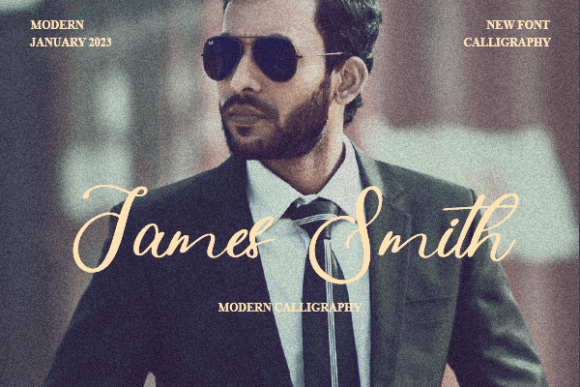
As a web designer, choosing the right font can make a significant difference in how users perceive your site. James Smith is a premium handwritten font that brings a touch of sophistication and warmth to digital projects. Its flowing, graceful strokes add a personal, artistic flair that works well across various design contexts.
James Smith is ideal for creative websites, branding, and content-focused layouts. It blends modern typography with a handcrafted feel, making it perfect for headers, logos, and decorative elements. The font’s natural rhythm and consistent weight distribution ensure it remains legible even at smaller sizes, which is essential for responsive web design.
Using James Smith in Web Layouts
When designing a website, visual hierarchy is key. James Smith excels as a display font for hero sections, call-to-action buttons, and section headings. Its elegant curves and fluid lines draw attention without overwhelming the viewer. For example, using James Smith for a creative portfolio site gives a personal, artisanal tone that aligns with the brand’s identity.
On landing pages, this font can enhance the user experience by creating a sense of authenticity. Whether it's a boutique online store or a coaching website, James Smith adds a unique character that stands out from standard sans serif fonts. Its versatility allows it to work well in both dark and light backgrounds, as long as the contrast is sufficient for readability.
Readability and Mobile Optimization
While James Smith is a script font, it maintains good legibility on mobile screens when used appropriately. For small text, such as button labels or captions, it’s best to pair it with a simpler typeface like a sans serif. This ensures that the message remains clear while still maintaining a stylish aesthetic.
For image overlays or background textures, James Smith can be used as a decorative element. However, it should be scaled up and paired with solid colors or minimalistic designs to avoid visual clutter. When used in banners or social media graphics, its flowing nature helps guide the eye naturally, enhancing user engagement.
Font Pairing and Brand Identity
Effective font pairing is crucial for a cohesive design. James Smith pairs well with clean, modern sans serifs for body copy, creating a balanced contrast between decorative and functional typography. This combination works especially well for blog headers, course sales pages, and content sections where clarity is important.
For editorial or more traditional designs, pairing James Smith with a serif font can create a refined, professional look. This approach is great for brand kits, packaging design, or marketing materials that require a timeless appeal. The font’s personality also makes it a strong choice for logo design, where a unique, handwritten touch can set a brand apart.
Practical Applications for Digital Creators
Web designers and digital product creators often rely on fonts to reinforce brand tone. James Smith is particularly effective for creative entrepreneurs, SaaS founders, and bloggers who want to convey a personal, approachable style. Its use in a portfolio site or online store can help build trust and establish a stronger connection with the audience.
For online stores, James Smith can be used in banners, product titles, or promotional messages to add a custom, handmade feel. This is especially useful for niche brands that focus on artisanal or personalized products. In digital ads, the font’s distinctiveness helps capture attention while maintaining a polished appearance.
Commercial Licensing and File Formats
When using James Smith for client projects or commercial websites, it’s important to check the licensing terms. Most premium fonts include webfont licenses for embedding in websites, but additional permissions may be required for large-scale use or resale. Always verify the font’s availability in common file formats like WOFF, WOFF2, and TTF to ensure compatibility across browsers and devices.
Some versions of James Smith may include alternate characters, ligatures, or stylistic sets that can be used to customize the look. These variations allow for greater flexibility in design, making it easier to adapt the font to different brand identities or layout requirements.
Enhancing User Engagement with Typography
Typography plays a key role in how users interact with a website. James Smith contributes to a more engaging experience by adding a human touch to digital interfaces. Its soft, flowing style can evoke feelings of creativity, trust, and elegance—qualities that are essential for building a strong brand presence.
When used in moderation, this font can enhance scanning behavior by drawing attention to key elements without disrupting the flow of content. It’s especially useful for short phrases, headlines, and decorative accents that need to stand out while still feeling part of a larger design system.
Final Tips for Web Designers
James Smith is a versatile tool for web designers looking to add a personal, artistic touch to their projects. Whether you’re working on a creative portfolio, an online store, or a branded web experience, this font offers a unique blend of beauty and functionality. Its ability to balance elegance with readability makes it a valuable addition to any design toolkit.
Always test the font in different contexts to ensure it meets your design goals. Consider the font’s performance on mobile devices, its compatibility with other typefaces, and the overall impact it has on the user experience. With careful implementation, James Smith can help elevate your digital work and create a lasting impression on your audience.